
Understanding Muri, Mura, and Muda
Understanding Muri, Mura, and Muda
Reducing Waste with Muri, Mura, and Muda
When it comes to the Japanese terms Muri, Muda, and Mura, more often than not people will put Muda first, because it refers directly to the waste being avoided within the system, and although it is of vital importance, the order should be: Mura -> Muri -> Muda
Mura
Before we can do anything else, we must first plan and develop a system that involves no Mura. There must be no inconsistences and unevenness. If there is, it must be smoothed out to avoid creating Muda, the useless waste. This will ensure that when all other processes are set up, they will be following a consistent standard. All the processes together must first gain a reasonable level of unevenness by capacity.
Muri
When Mura is in place, and the inconsistences are still not yet reduced ideally, Muri will quickly surface. There are areas where Muri occurs beyond the consideration of Mura; such as having a high defect ratio, or the occurrence of bottle necking due to difficult operation.
Muda
Once the Mura and Muri had been sorted out, then it will be time to identify the waste, or Muda, in all the operations. There are 7 types of wastes altogether. These wastes can be reduced which will positively affect the process of Heijunka, or production leveling.
Types of Muda:
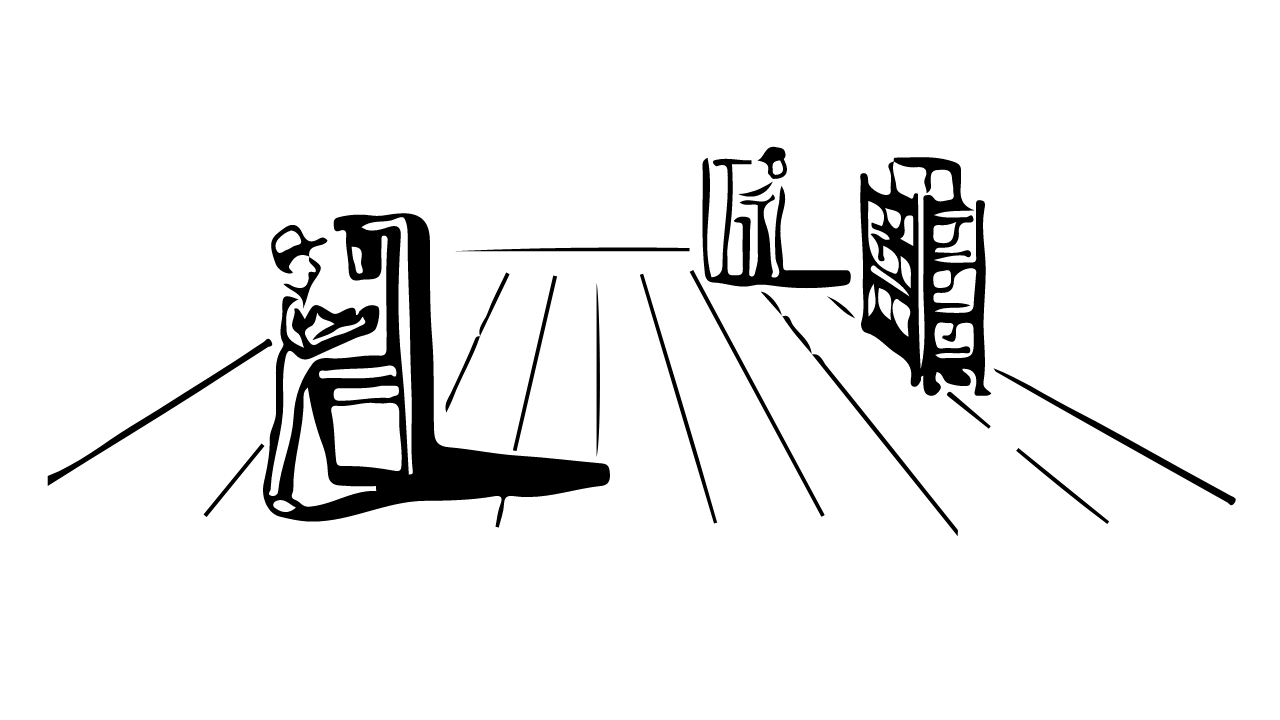
1. Space / Surface Area
Space is a valuable resource in manufacturing, and any space that is not used for productive purposes can be considered wasted. This includes storage areas, unused machinery, and any other area that does not contribute to the production process. By reducing the amount of wasted space, manufacturers can improve their overall efficiency and profitability.
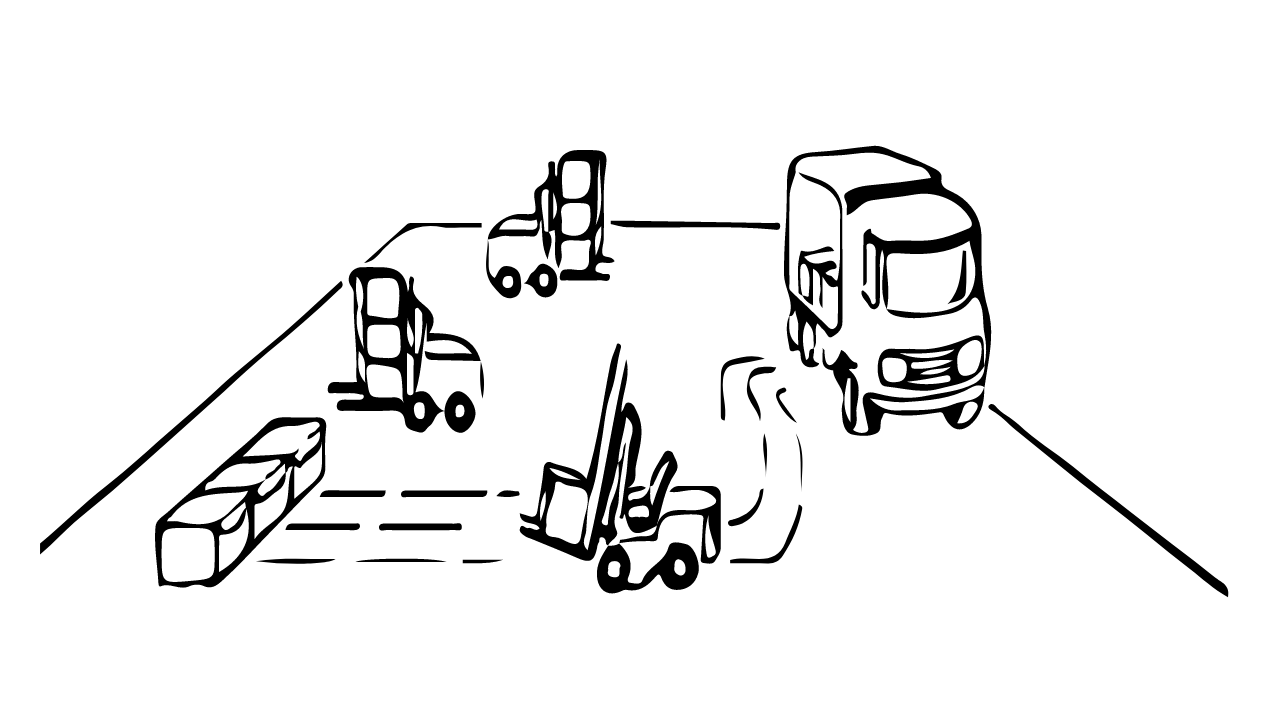
2. Transportation
Transportation waste is a major issue in lean manufacturing. It occurs when goods are moved unnecessarily between processes, resulting in increased costs and decreased efficiency. This can be caused by poor planning, lack of communication between departments, or inefficient routing. To reduce transportation waste, manufacturers should focus on streamlining their processes and improving communication between departments to ensure that goods are only moved when necessary.
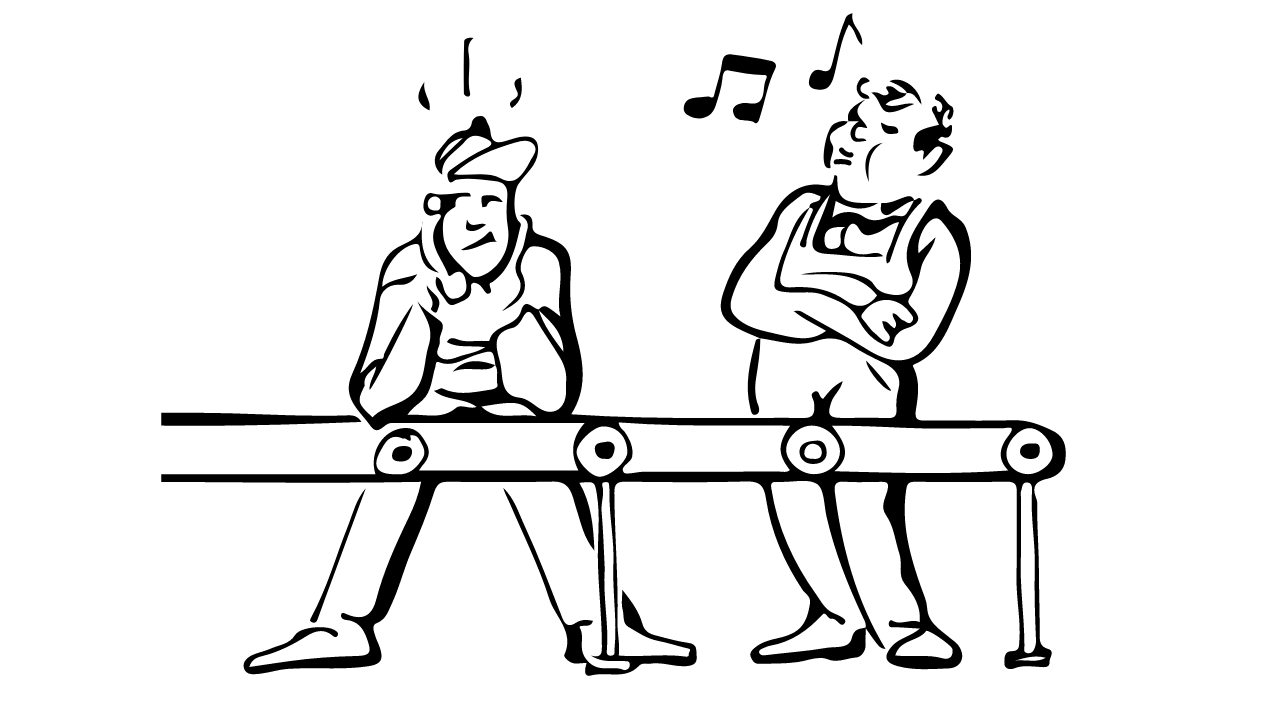
3. Waiting
Waiting is a major source of waste in lean manufacturing. It can lead to delays in production, increased costs, and decreased customer satisfaction. Waiting can also cause inventory to pile up, resulting in higher storage costs and the need for additional space. Additionally, waiting can lead to quality issues due to lack of oversight or attention to detail. Finally, waiting can cause a decrease in morale among employees as they become frustrated with the lack of progress.
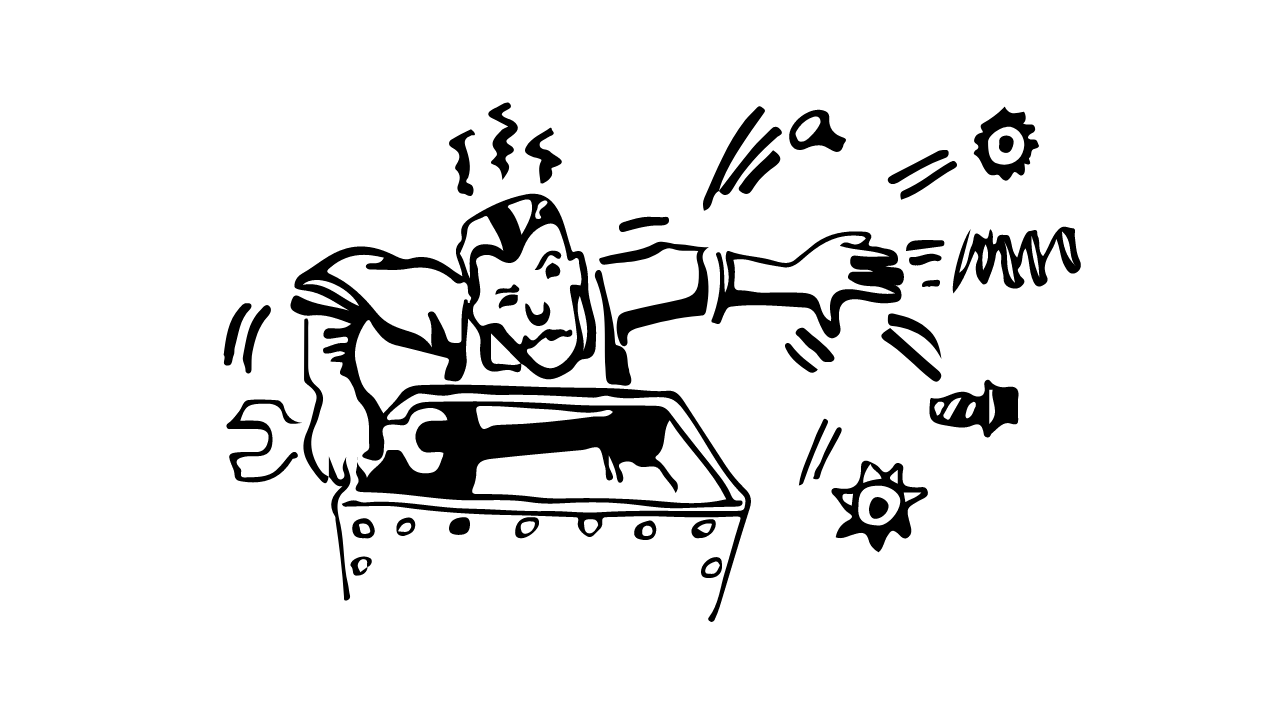
4. Rework and Scrap
Rework and scrap are two of the most common forms of waste in lean manufacturing. Rework occurs when a product is not produced correctly and must be reworked to meet quality standards, while scrap is material that is discarded due to defects or other issues. Both of these wastes can lead to increased costs, decreased efficiency, and reduced customer satisfaction. By reducing rework and scrap, manufacturers can improve their overall productivity and profitability.
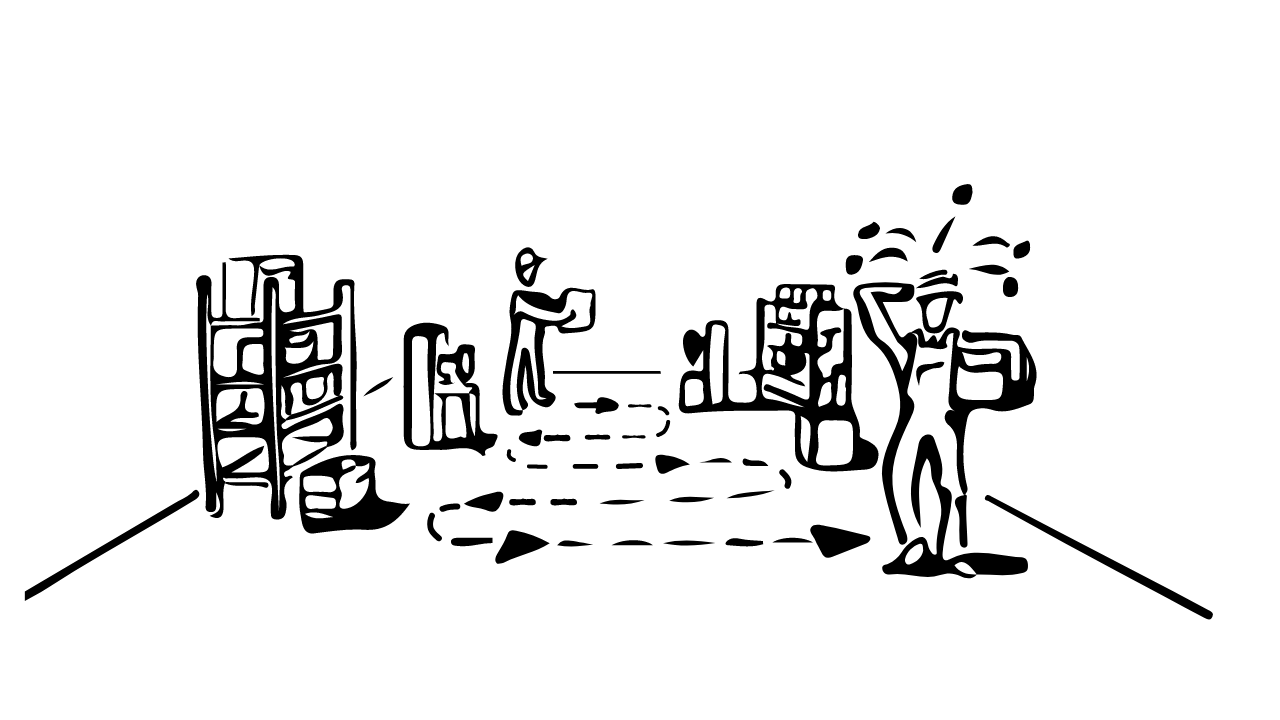
5. Movement
Lean manufacturing is a system of production that seeks to reduce waste in all forms, including the waste of movement. This type of waste occurs when workers move unnecessarily between tasks or locations, resulting in a decrease in efficiency and productivity. By streamlining processes and eliminating unnecessary steps, lean manufacturing can help to reduce the amount of time and energy spent on non-value-adding activities.
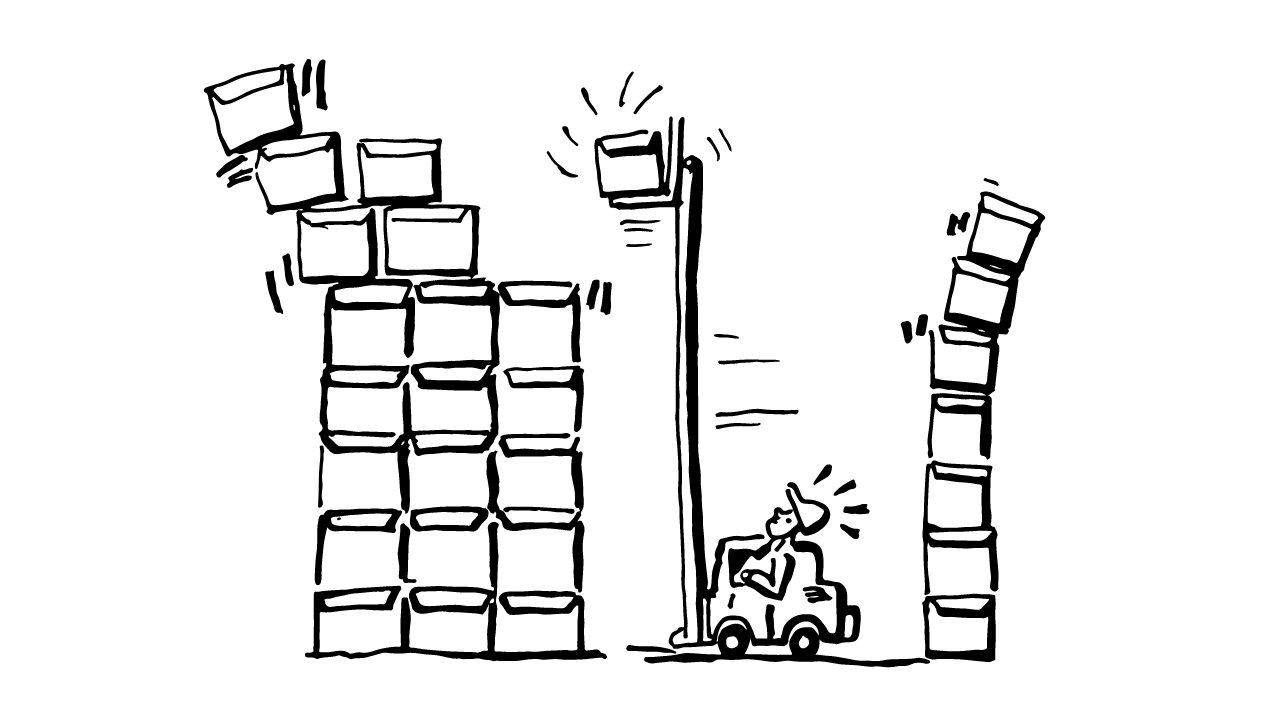
6. Excess Stock and Inventory
Excess stock is a form of waste that occurs when more inventory is produced than necessary. This can lead to higher costs, as well as increased storage and handling requirements. Additionally, excess stock can lead to decreased customer satisfaction due to longer lead times and out-of-stock items. By reducing the amount of excess stock, companies can reduce their costs and improve customer service.
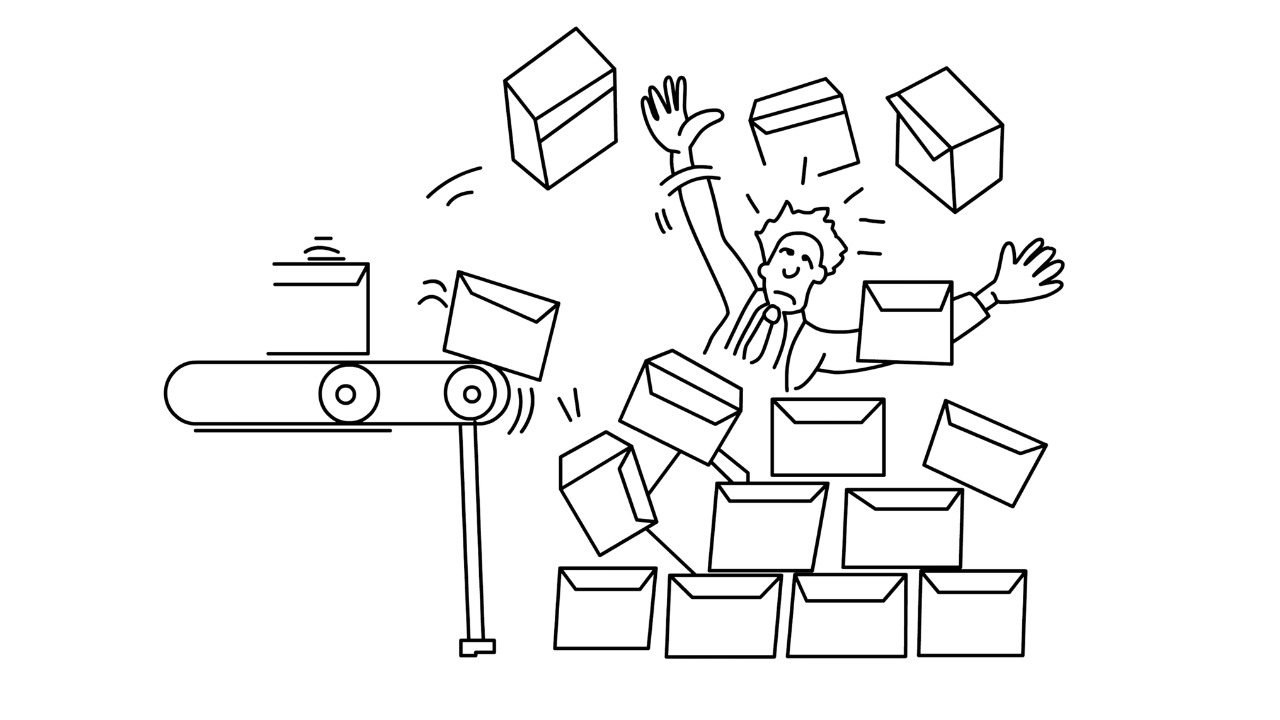
7. Over-Production
Over-production in lean manufacturing is a major waste of resources, as it involves producing more than what is needed or desired. This can lead to increased costs, storage issues, and delays in production. Over-production also reduces the efficiency of the production process, as resources are used to produce items that may not be sold or used. To reduce this waste, manufacturers should focus on producing only what is necessary and strive for just-in-time production.
something else to think about ...
Unused human resources and skills represent a significant source of waste, when they are not being utilized to their fullest potential. This can lead to higher costs, lower productivity, and decreased customer satisfaction. By recognizing and addressing this issue, organizations can ensure that their employees are working at their highest capacity and that resources are being used effectively.
Resources:
Lean Manufacturing: Tools, Techniques, and How to Use Them by William M. Feld
The Lean Six Sigma Pocket Toolbook: A Quick Reference Guide to 100 Tools for Improving Quality and Speed by Michael L. George
The Lean Manager: A Novel of Lean Transformation by Mark Reich
Lean Thinking: Banish Waste and Create Wealth in Your Corporation by James P. Womack and Daniel T. Jones
The Toyota Way: 14 Management Principles from the World's Greatest Manufacturer by Jeffrey K. Liker
The Lean Toolbox for Service Systems by John Bicheno
Lean Production Simplified: A Plain-Language Guide to the World's Most Powerful Production System by Pascal Dennis
The Lean Turnaround Action Guide: How to Implement Lean, Create Value, and Grow Your People by Art Byrne
Lean Enterprise Value: Insights from MIT's Lean Aerospace Initiative by Earll Murman, Thomas Allen, Kirkor Bozdogan, Joel Cutcher-Gershenfeld, Richard DeNeufville, and Alan Shihadeh
Lean Supply Chain Management Essentials: The Definitive Guide to Thinking and Working Smarter by Steven Brown
Jeffrey K. Liker is a professor of industrial and operations engineering at the University of Michigan and a well-known author in the field of lean manufacturing and the Toyota Production System.
Toyota Culture:The Heart and Soul of the Toyota Way (co-authored with Michael Hoseus)
The Toyota Way Fieldbook:A Practical Guide for Implementing Toyota's 4Ps (co-authored with David Meier)
Toyota Talent: Developing Your People the Toyota Way (co-authored with David Meier)
Developing Lean Leaders at All Levels:A Practical Guide (co-authored with George Trachilis)
The Toyota Product Development System: Integrating People, Process and Technology (co-authored with James M. Morgan)
The Toyota Way to Continuous Improvement: Linking Strategy and Operational Excellence to Achieve Superior Performance (co-authored with James Franz)
The Toyota Way to Service Excellence: Lean Transformation in Service Organizations (co-authored with Karyn Ross)
The Toyota Way to Lean Leadership:Achieving and Sustaining Excellence through Leadership Development (co-authored with Gary L. Convis)
The Toyota Way to Healthcare Excellence:Increase Efficiency and Improve Quality with Lean (co-authored with James Morgan and Joanne Lynn)
Lean Manufacturing Resources:
Lean Thinking:Banish Waste and Create Wealth in Your Corporation by James P. Womack and Daniel T. Jones
Learning to See: Value Stream Mapping to Create Value and Eliminate MUDA by Mike Rother and John Shook
Lean Six Sigma: Combining Six Sigma Quality with Lean Production Speed by Michael L. George
The Goal: A Process of Ongoing Improvement by Eliyahu M. Goldratt
Gemba Kaizen: A Commonsense Approach to a Continuous Improvement Strategy by Masaaki Imai
Toyota Production System: An Integrated Approach to Just-In-Time by Yasuhiro Monden
Kaizen:The Key to Japan's Competitive Success by Masaaki Imai
The Machine That Changed the World: The Story of Lean Production by James P. Womack, Daniel T. Jones, and Daniel Roos
Lean Enterprise:How High-Performance Organizations Innovate at Scale by Jez Humble, Joanne Molesky, and Barry O'Reilly