Lean Manufacturing: The Importance of Leadership and Continuous Improvement
Lean Manufacturing: The Importance of Leadership and Continuous Improvement
Three Kinds of Leaders
“There are three kinds of leaders. Those that tell you what to do. Those that allow you to do what you want. And Lean leaders that come down to the work site and help you figure it out.” – John Shook
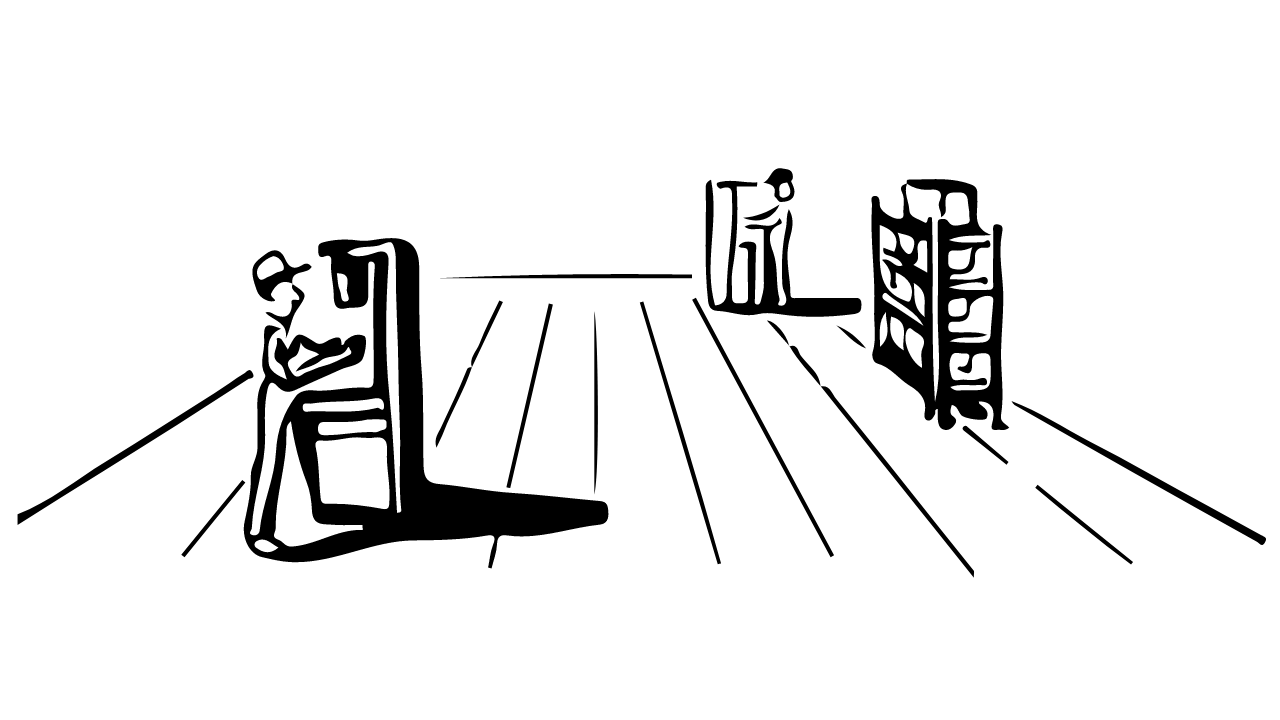
The quote by John Shook highlights the importance of leadership in lean manufacturing. In lean philosophy, leaders play a crucial role in creating a culture of continuous improvement and engaging employees in problem-solving. Lean leaders are hands-on and take an active role in working with their teams to identify and eliminate waste, improve processes, and increase efficiency.
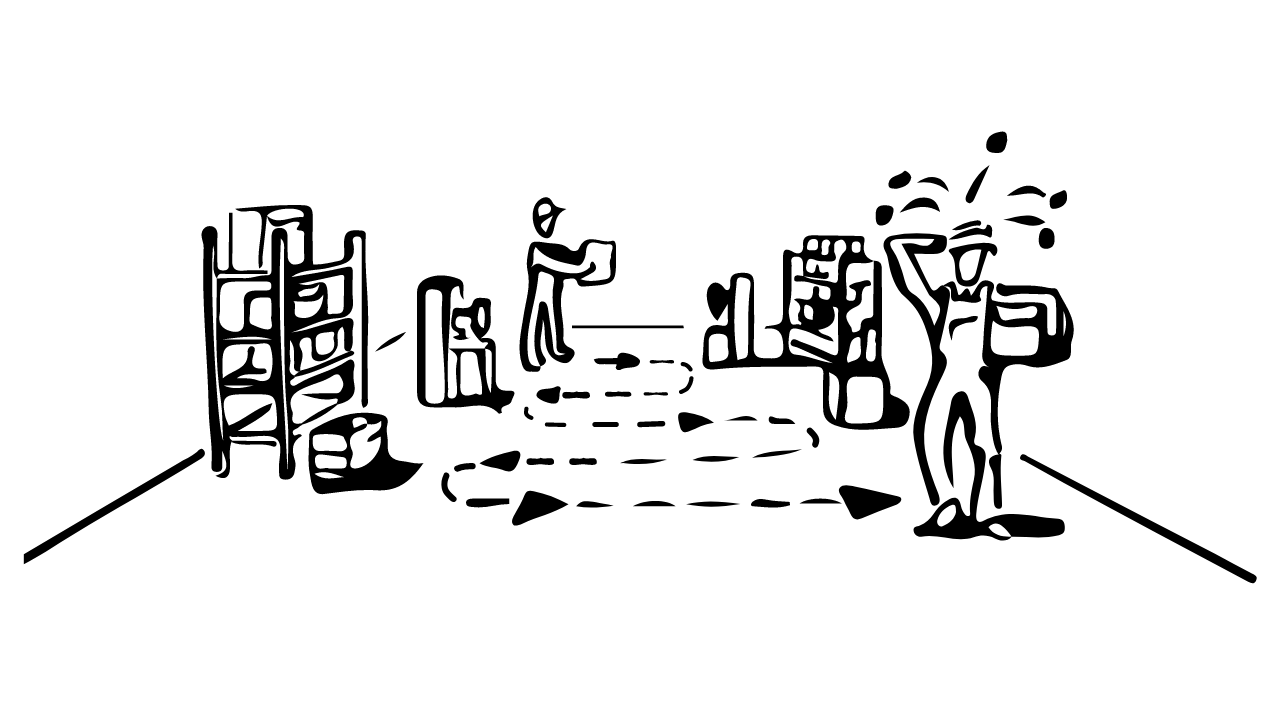
Minimizing waste, Maximizing value
Lean manufacturing is a production philosophy that emphasizes minimizing waste, maximizing value, and continuously improving processes. The goal of lean manufacturing is to create more value for customers while using fewer resources. This approach is often used in manufacturing and service industries, and it is based on the principles of the Toyota Production System.
Collaborative and Empowering
Unlike traditional leaders who simply tell their employees what to do, lean leaders empower their teams to take ownership of their work and find better ways of doing things. This type of leadership creates a more collaborative and empowering work environment, where employees are encouraged to think critically and continuously improve their processes.
Standardized Work
Standardized work is a key component of the lean manufacturing philosophy that supports the idea of continuous improvement and empowers employees to find better ways of doing things. By establishing clear and consistent procedures for each task, standardized work ensures that everyone on the team is working in the same way and following the same processes. This creates a common understanding of the work and helps to identify areas for improvement. Standardized work is an important tool for Lean leaders, as it enables them to help their teams "figure it out" and find solutions to problems on the work site. The use of standardized work supports John Shook's philosophy of Lean leadership, where leaders are hands-on and take an active role in working with their teams to improve processes and eliminate waste.
Culture of Continuous Improvement
In conclusion, lean manufacturing is a production philosophy that emphasizes minimizing waste and maximizing value, with a focus on continuous improvement. John Shook's quote highlights the importance of leadership in creating a culture of continuous improvement in lean manufacturing, and the role of lean leaders in empowering their teams to solve problems and improve processes.
Resource List:
"Lean Thinking: Banish Waste and Create Wealth in Your Corporation" by James Womack and Daniel Jones
"The Lean Startup: How Today's Entrepreneurs Use Continuous Innovation to Create Radically Successful Businesses" by Eric Ries
"Kaizen: The Key to Japan's Competitive Success" by Masaaki Imai
"The Toyota Way: 14 Management Principles from the World's Greatest Manufacturer" by Jeffrey K. Liker
"Lean Management Principles for Construction" by Tony Marchese
"Lean Production Simplified: A Plain-Language Guide to the World's Most Powerful Production System" by Pascal Dennis.
Jeffrey K. Liker is a professor of industrial and operations engineering at the University of Michigan and a well-known author in the field of lean manufacturing and the Toyota Production System.
Toyota Culture: The Heart and Soul of the Toyota Way (co-authored with Michael Hoseus)
The Toyota Way Fieldbook:A Practical Guide for Implementing Toyota's 4Ps (co-authored with David Meier)
Toyota Talent:Developing Your People the Toyota Way (co-authored with David Meier)
Developing Lean Leaders at All Levels:A Practical Guide (co-authored with George Trachilis)
The Toyota Product Development System: Integrating People, Process and Technology (co-authored with James M. Morgan)
The Toyota Way to Continuous Improvement: Linking Strategy and Operational Excellence to Achieve Superior Performance (co-authored with James Franz)
The Toyota Way to Service Excellence: Lean Transformation in Service Organizations (co-authored with Karyn Ross)
The Toyota Way to Lean Leadership:Achieving and Sustaining Excellence through Leadership Development (co-authored with Gary L. Convis)
The Toyota Way to Healthcare Excellence: Increase Efficiency and Improve Quality with Lean (co-authored with James Morgan and Joanne Lynn)
Lean Manufacturing Resources:
Lean Thinking:Banish Waste and Create Wealth in Your Corporation by James P. Womack and Daniel T. Jones
Learning to See: Value Stream Mapping to Create Value and Eliminate MUDA by Mike Rother and John Shook
Lean Six Sigma:Combining Six Sigma Quality with Lean Production Speed by Michael L. George
The Goal:A Process of Ongoing Improvement by Eliyahu M. Goldratt
Gemba Kaizen:A Commonsense Approach to a Continuous Improvement Strategy by Masaaki Imai
Toyota Production System: An Integrated Approach to Just-In-Time by Yasuhiro Monden
Kaizen: The Key to Japan's Competitive Success by Masaaki Imai
The Machine That Changed the World:The Story of Lean Production by James P. Womack, Daniel T. Jones, and Daniel Roos
Lean Enterprise:How High-Performance Organizations Innovate at Scale by Jez Humble, Joanne Molesky, and Barry O'Reilly