The Power of Visual Management: Implementing Andon Systems in Lean Production
The Power of Visual Management: Implementing Andon Systems in Lean Production
Benefits of Andon Systems
1. Improved Visibility: Andon systems provide real-time, visual representation of production performance, allowing for easy identification of bottlenecks and other inefficiencies.
2. Enhanced Collaboration: By making production data easily accessible, andon systems foster cross-functional collaboration and communication, promoting problem-solving and continuous improvement.
3. Faster Problem Resolution: With real-time data and alerts, andon systems enable prompt detection and resolution of production issues, reducing downtime and improving overall efficiency.
4. Increased Accountability: Andon systems allow for clear assignment of responsibilities and accountability for production performance, leading to improved motivation and performance.
5. Better Data Collection and Analysis: Andon systems provide a centralized repository for production data, enabling detailed analysis and identification of trends, which can inform ongoing process improvements.
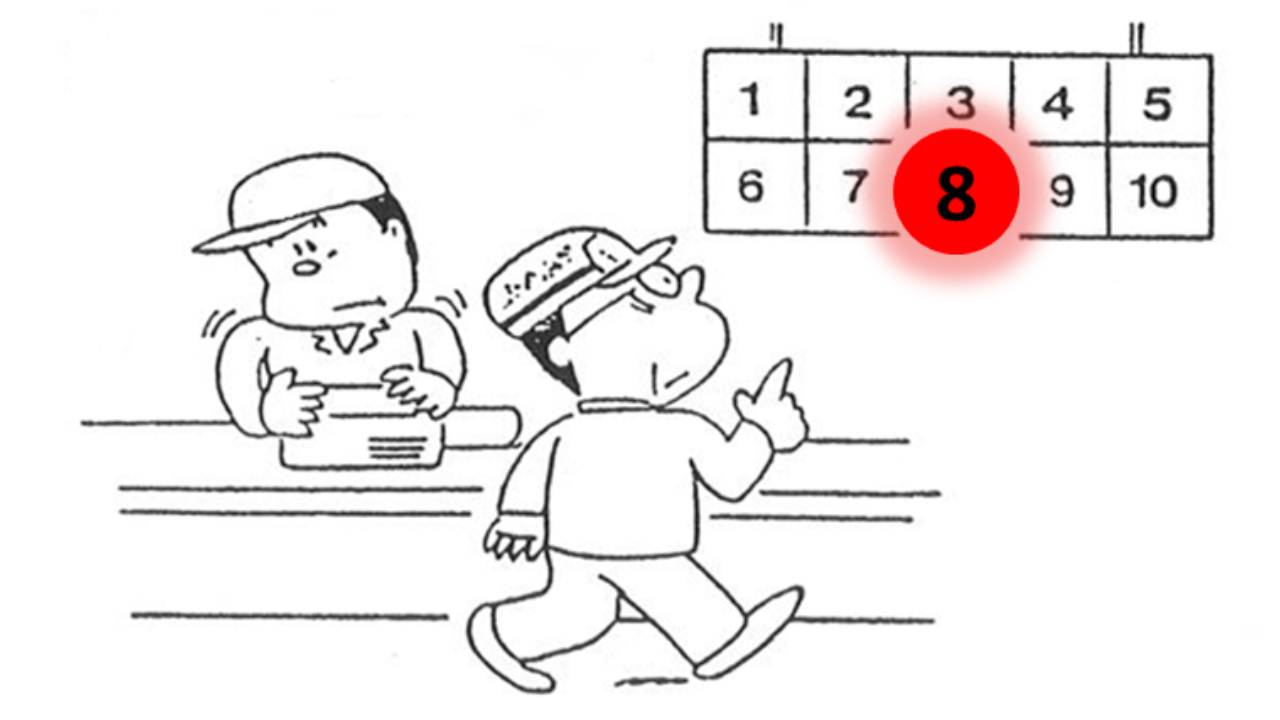
ANDON
Andon is a Japanese term related to manufacturing that refers to a system that notifies management, maintenance, and other employees of a quality, quantity, or process problem within a process.
The signboard that shows this problem is located centrally, and signals using lights that indicate the specific workstation that has the problem and requires attention in order to complete or continue a process.
ANDON ALERTS
Some machines can completely stop their process in order to receive the proper attention without continuing a wasteful procedure. The alert given can be automatically activated by the production equipment or machines themselves, but may also be activated manually by an employee by pulling a cord or pressing a button.
MODERN ANDON SYSTEMS
Some modern systems have new functions that expose the issues via alerts such as audio alarms, text, graphics, or other means of displaying the problem properly. Audio alerts may be given via coded tones, music with distinctive tunes relating to the alert, or pre-recorded verbal messages.
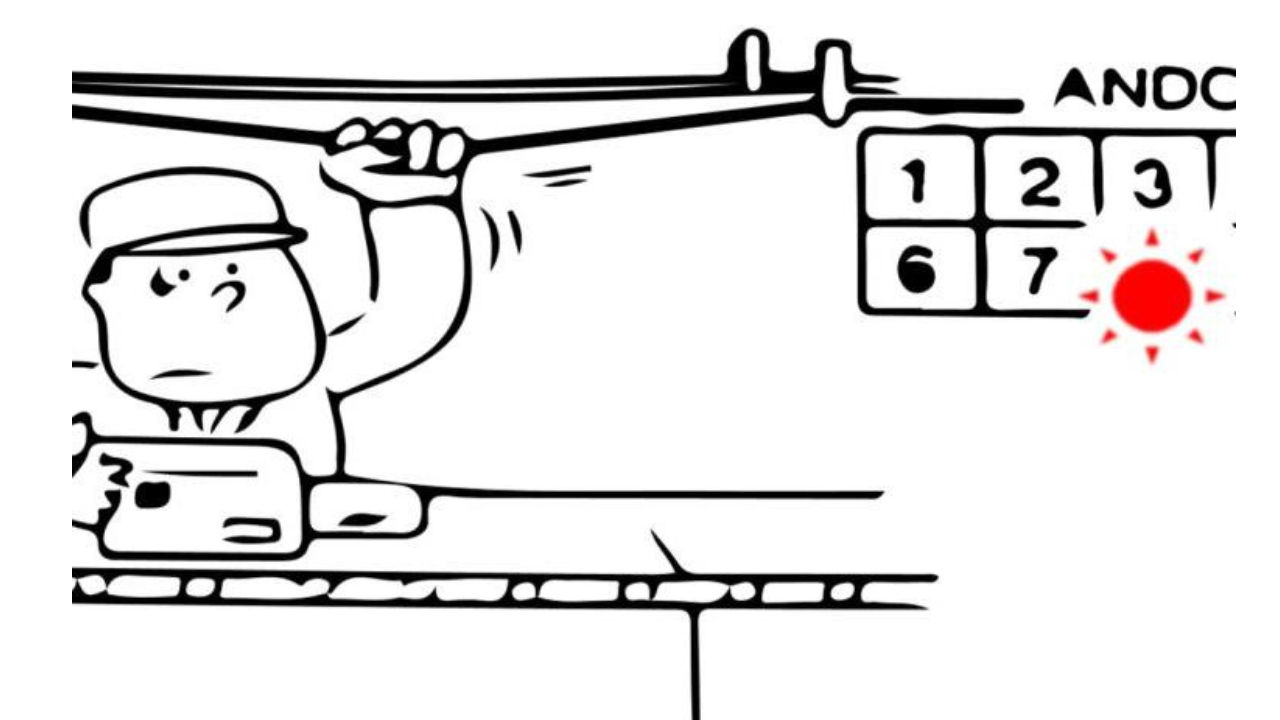
MANUAL ANDON
There are some common reasons found for manual activation of the Andon which include shortage in parts, a defect has been made or found, malfunction of tools, or a problem revolving around safety. The work is stopped until a solution has been found and the issue has been controlled.
The alerts may be logged to a database so they can be concentrated on as a major aspect of a continuous-improvement program. The record contains information regarding the situation where the alert was generated, and potentially can provide a description of the event.
This allows record to be kept of issues which can be quickly resolved and/or avoiding in the future. This system, called the Andon System, is one of the key elements within the Jidoka quality-control method which can be traced back to the Toyota business as part of the Toyota Production System, and is therefore considered part of the Lean approach which promotes a lean environment within a manufacturing business as a way to essentially avoid waste and increase overall quality and production.
It gives the worker the capacity, and in addition the strengthening, to stop production when an imperfection is found, and the ability to quickly call for help and repair the issue to continue production without waste.
In conclusion, the Andon System is a critical component of the Lean approach to manufacturing and provides real-time visual representation of production performance, allowing for easy identification of bottlenecks and other inefficiencies. It fosters cross-functional collaboration, promotes problem-solving and continuous improvement, enables prompt detection and resolution of production issues, and provides a centralized repository for production data. By pulling the Andon, workers can stop production when an imperfection is found and quickly call for help, reducing downtime and improving overall efficiency. Implementing an Andon System can be done effectively by understanding the principles and practices of Lean Manufacturing, as highlighted in books such as "The Lean Manufacturing Pocket Handbook," "The Toyota Way," "Lean Production Simplified," and "Implementing Lean Software Development."
"The Lean Manufacturing Pocket Handbook" by Rick Hilton. This book provides an overview of the principles of lean manufacturing, including the use of Andon systems for visual management and continuous improvement.
"The Toyota Way: 14 Management Principles from the World's Greatest Manufacturer" by Jeffrey K. Liker. This book explores the philosophy and practices behind the success of Toyota Motor Corporation, including the use of Andon systems as part of their production system.
"Lean Production Simplified: A Plain-Language Guide to the World's Most Powerful Production System" by Pascal Dennis. This book provides a straightforward and practical guide to implementing lean manufacturing, including the use of Andon systems as a key tool for visual management and continuous improvement.
"Implementing Lean Software Development: From Concept to Cash" by Mary Poppendieck and Tom Poppendieck. This book applies the principles of lean manufacturing to software development, including the use of Andon systems as a tool for visualizing progress and identifying problems in real-time.
Jeffrey K. Liker is a professor of industrial and operations engineering at the University of Michigan and a well-known author in the field of lean manufacturing and the Toyota Production System.
Toyota Culture: The Heart and Soul of the Toyota Way (co-authored with Michael Hoseus)
The Toyota Way Fieldbook: A Practical Guide for Implementing Toyota's 4Ps (co-authored with David Meier)
Toyota Talent: Developing Your People the Toyota Way (co-authored with David Meier)
Developing Lean Leaders at All Levels:A Practical Guide (co-authored with George Trachilis)
The Toyota Product Development System: Integrating People, Process and Technology (co-authored with James M. Morgan)
The Toyota Way to Continuous Improvement:Linking Strategy and Operational Excellence to Achieve Superior Performance (co-authored with James Franz)
The Toyota Way to Service Excellence:Lean Transformation in Service Organizations (co-authored with Karyn Ross)
The Toyota Way to Lean Leadership:Achieving and Sustaining Excellence through Leadership Development (co-authored with Gary L. Convis)
The Toyota Way to Healthcare Excellence:Increase Efficiency and Improve Quality with Lean (co-authored with James Morgan and Joanne Lynn)
Lean Manufacturing Resources:
Lean Thinking:Banish Waste and Create Wealth in Your Corporation by James P. Womack and Daniel T. Jones
Learning to See:Value Stream Mapping to Create Value and Eliminate MUDA by Mike Rother and John Shook
Lean Six Sigma: Combining Six Sigma Quality with Lean Production Speed by Michael L. George
The Goal: A Process of Ongoing Improvement by Eliyahu M. Goldratt
Gemba Kaizen:A Commonsense Approach to a Continuous Improvement Strategy by Masaaki Imai
Toyota Production System: An Integrated Approach to Just-In-Time by Yasuhiro Monden
Kaizen: The Key to Japan's Competitive Success by Masaaki Imai
The Machine That Changed the World:The Story of Lean Production by James P. Womack, Daniel T. Jones, and Daniel Roos
Lean Enterprise: How High-Performance Organizations Innovate at Scale by Jez Humble, Joanne Molesky, and Barry O'Reilly